
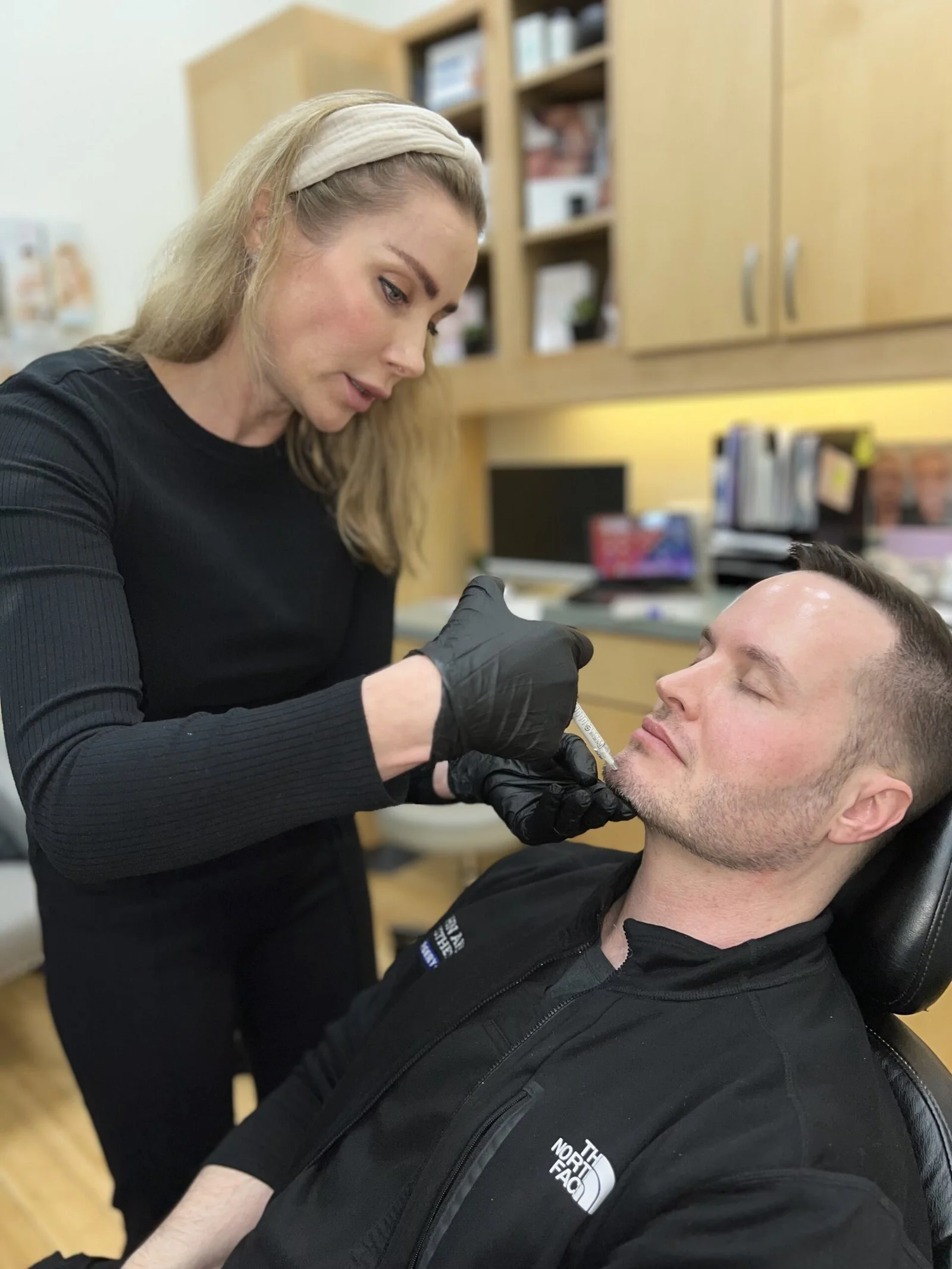
Dermal Fillers in Carmel & Indianapolis
Restore lost facial volume, soften lines, and enhance lips and cheeks with physician-supervised hyaluronic acid fillers and Sculptra.
What Are Dermal Fillers?
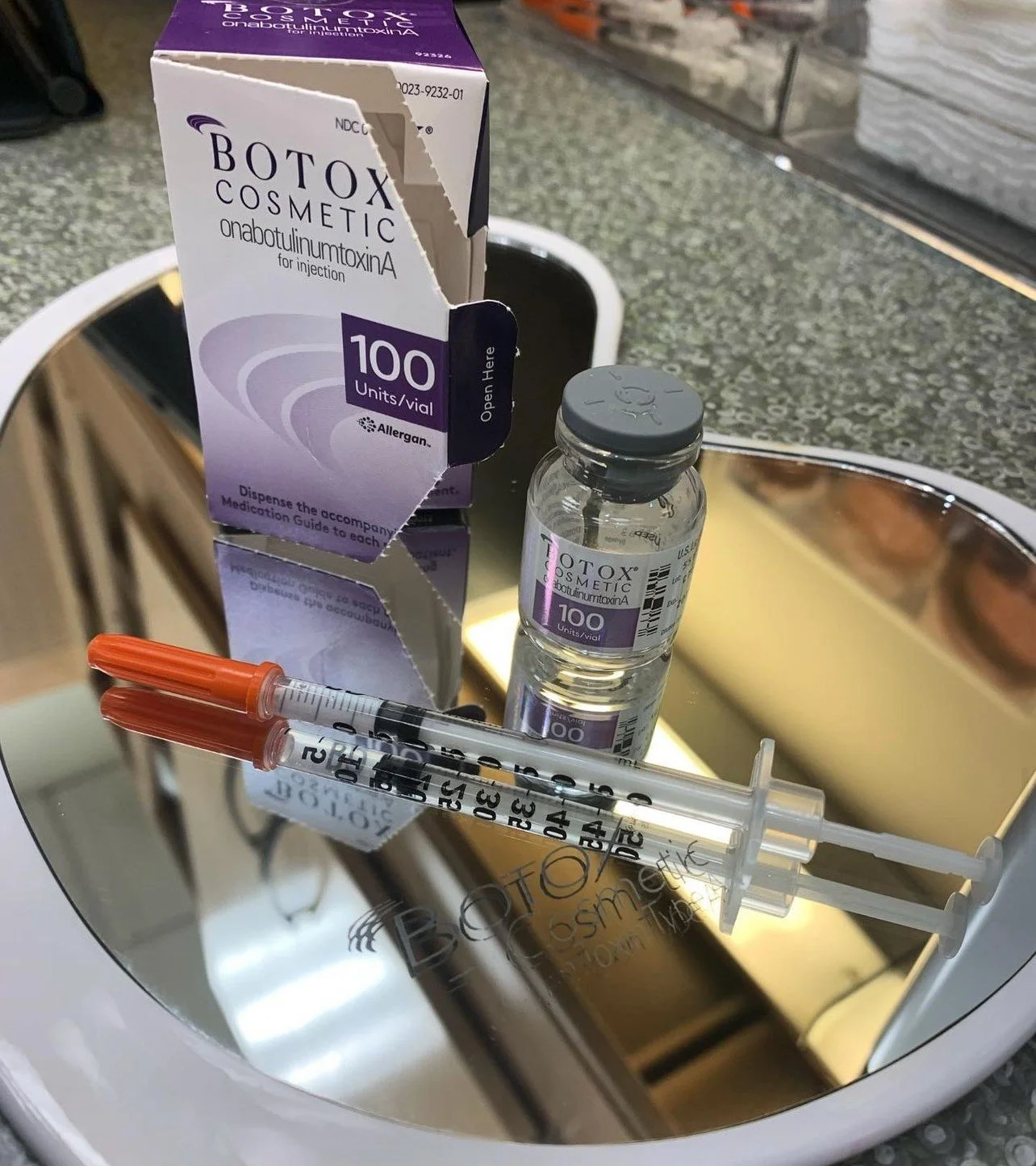
Dermal fillers are injectable substances that restore lost facial volume, smooth deeper lines and folds, and enhance features like lips and cheeks. Unlike Botox, which works by relaxing muscles, fillers physically add volume beneath the skin to correct hollowing, creases, and asymmetry.
At My Plastic Surgery Group, we use hyaluronic acid (HA) fillers — including Juvederm, Restylane, and Revanesse Versa — as the foundation of most treatment plans. HA is a naturally occurring substance in the body that attracts and retains moisture, making these fillers well-tolerated and reversible. For patients seeking longer-lasting volumization, we also offer Sculptra, a poly-L-lactic acid stimulator that gradually builds the body's own collagen for results that can last two or more years.
The right product depends on the area being treated, the depth of correction needed, and your goals. Our injectors will recommend the most appropriate product — or combination of products — for your anatomy and desired outcome.
What to Expect During a Filler Appointment
A filler appointment at MPSG is thorough and individualized. Here is what to expect:
- Consultation: Your injector reviews your concerns, assesses your facial anatomy, and develops a treatment plan specifying products, volumes, and placement.
- Preparation: The treatment area is cleaned. Most HA fillers contain lidocaine for comfort; additional topical anesthetic is available.
- Injections: 30–60 minutes depending on the number of areas treated. Injections are placed using fine needles or a blunt-tip cannula depending on the technique and location.
- Assessment: Results are evaluated immediately after injection, and minor adjustments can be made during the appointment.
- Aftercare: Avoid vigorous exercise, alcohol, and excessive heat for 24 hours. Mild swelling and bruising may occur and typically resolves in 1–3 days.
Who Is a Good Candidate for Dermal Fillers?
Fillers address a wide range of concerns. Ideal candidates include patients experiencing:
- Facial volume loss in cheeks, temples, or under the eyes (hollowing associated with aging)
- Nasolabial folds (lines from nose to corners of the mouth)
- Marionette lines (lines from corners of the mouth downward)
- Lip thinning or desire for lip enhancement and definition
- Cheek augmentation without surgery
- Under-eye hollows (tear trough deformity)
- Jawline definition and chin projection
- Hand rejuvenation (volume loss on the backs of the hands)
Fillers are not appropriate for women who are pregnant or breastfeeding. Patients on blood thinners should discuss this with our team before treatment, as bruising risk is elevated.
Recovery and Downtime
Most patients return to normal activities immediately after filler treatment. Mild bruising and swelling are common and typically resolve within 1–3 days. Avoiding aspirin, ibuprofen, vitamin E, and fish oil for one week before your appointment minimizes bruising risk. Results with HA fillers are visible immediately, though some swelling is normal in the first 24–48 hours. Sculptra results develop gradually over 2–3 months as collagen production is stimulated.
Dermal Filler Cost in Indiana
Pricing varies with the product used. Most treatment plans require 1–4 syringes depending on the areas treated and the degree of correction desired. Sculptra is priced per vial. A consultation is required for a personalized quote — financing options available.
Related Treatments

Frequently Asked Questions
How long do fillers last?
What is the difference between Botox and fillers?
Can fillers be dissolved?
What areas can be treated with fillers?
Is there downtime after fillers?
Restore Volume and Confidence
Schedule a filler consultation at My Plastic Surgery Group in Carmel, Indiana. Physician-supervised injectors · natural-looking results · 4.8★ rated practice.